You are the story of my heart and I believe in you. You may not become popular and you may always live in the shadows of bigger stories…but you are the purest thing I’ve ever made. You’re more than just a narrative. You hold pieces of me I’ve never known how to share. You were never meant for everyone but were meant for me—and maybe, one day, for the others who need you too.
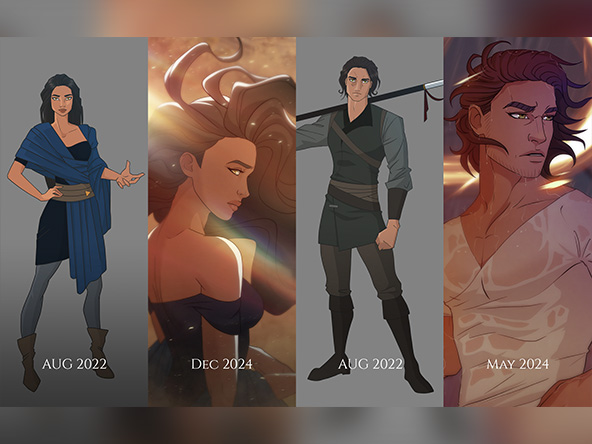
I believe in Oriole…not because she has all the answers but because she never stops searching for them: for understanding, for safety, for purpose in her life. She moves with care and with a deep empathy that refuses to harden, even after everything she’s been through. Her strength is in how deeply she feels and how fiercely she protects. She holds the ache of believing she isn’t enough…but the truth she comes to understand is that she was worthy all along.
I believe in Ryn; wounded and weary but full of buried tenderness. The result of a burden carried too long and loyalty that cost too much. He hides his pain behind silence, but beneath it all is a man who wants to be whole and who wants to be good. His story is about learning that healing is not weakness and that even the broken deserve to be loved.
I will keep telling this story, one panel at a time. Faithfully…because I believe in what it holds. Even when it’s hard or when it feels like no one is listening sometimes, I’ll continue to create. Because it matters. And because it’s mine.
I promise to stay true to your voice. To let the characters speak even when it’s difficult. To write with the adoration you deserve. To finish this passion project, no matter how long it takes…because some things are worth the journey.
Thank you for being patient while I learn how to honor you.
Worldbuilding is about creating a setting that feels lived in, layered, and emotionally resonant. Whether you’re writing a novel, or a webtoon series, the most immersive fantasy worlds are built on more than lore. They’re shaped by things like belief systems, character consequences, and the impact of its history. I’ve used these five elements to strengthen the core of the world I’m building and give the narrative a more watertight foundation.
1. Magic Doesn’t Need Rules, Just Consequences Magic doesn’t need rules to exist in your story. But if you use it to solve problems, it needs structure or cost.
for example: In The Barrier Scroll: Augmentation lets even the powerless wield magic, at a price.
2. Build Beliefs Before You Build Borders The best worlds are built on beliefs that can’t coexist. History should be biased.
for example: In The Barrier Scroll: The Federation believes magic is dangerous unless controlled. The Empire believes magic is sacred, but only the worthy should wield it.
3. Let the World Shape the Characters If your world has weight, your characters should carry it.
for example: In The Barrier Scroll: Ryn grew up with the aftermath of Halcyon Braid. Grief made him loyal, vengeance made him dangerous.
4. The past should impact the present. Build a past that still impacts your characters’ choices.
for example: In The Barrier Scroll: The Federation buried ancient knowledge to protect its control.
5. Lore hits hardest when it’s discovered, not explained. Don’t just tell your world’s truth. Let readers uncover it with your characters.
for example: In The Barrier Scroll: Instead of being told that portals exist, readers discover this fact alongside Oriole.
As always do what works best for you and your narrative. These are just tips I’ve learned along the way!
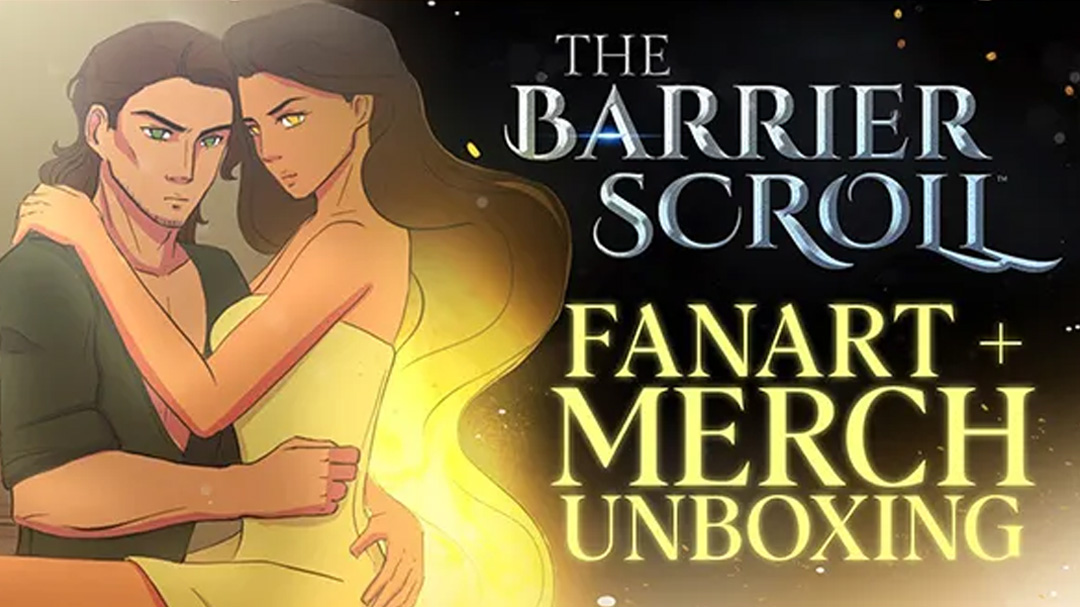
Magiclands is an amazing creator whom I have grown to admire and respect. Easily one of the most talented folks in my sphere. Her ethos on creating, lack of ego, and genuine care and ability to lift up other creators as been an inspiration to me. She’s just an all around good human being to match. She recently put out an unboxing video of some merch I sent to her as a thank you for being such a supportive friend, and man is it just wonderfully made. And if her creativity and joy wasn’t enough, she also created a stunning animation for The Barrier Scroll’s 2025 DTIYS Anniversary, and made a tutorial on how she did it. Please give it a watch, it’s a wonderful edit with so much love and care put into it.
Every artist hears it at some point. A comment that starts with,
“I like your work, but…” “This isn’t meant to be mean, but…” “I like what you’re trying to do.” “Don’t take this the wrong way, but…” “This is just my opinion, but I think you should…”
It pretends to be helpful. Supportive. Generous. Here’s the truth: not all feedback is offered in good faith. As artists, we pour so much of ourselves into what we make: time, energy, love, and an uncomfortable amount of overthinking. We open the door to connection and community, which also means (unfortunately) opening the door to critique. Some of it helps us grow. Some of it…doesn’t.
What Real Feedback Looks Like Constructive feedback is a gift. It’s kind. It’s specific. It comes from someone who:
Understands your work
Wants you to succeed
Speaks with care and clarity
Appreciates that style and storytelling are intentional
Knows you and wants what’s best for you
Respects the vulnerability that comes with creating anything
Whom you admire and value their opinion
Unsolicited Critique Is rarely coming from someone who’s in the arena with you; making their own messy, beautiful things. It’s often from the sidelines. Almost always from someone doing less than you. It’s not about helping. It’s about feeling important. “I’m feeling insecure about my own work, so let me lash out under the guise of “feedback.”
Growth Doesn’t Require Negativity It can come from exploration. From community. From kindness. From time. From rest. Creators are allowed to grow at their own pace, in their own direction. Not everything needs to be “fixed,” especially by strangers who don’t understand your vision.
How to deal with Unsolicited Feedback:
No Response Needed (my personal favorite) Sometimes the best response… is none at all. Silence is a boundary too.
Ignore it completely. Not everything deserves your energy.
Delete the comment. Your space, your rules.
Remove or block the person. You’re allowed to protect your peace.
The Calm Acknowledgment (if you feel safe responding) If you do want to respond, but stay in control. This is especially helpful if you want to set a tone for other followers watching how you handle things.
“Thanks for sharing your thoughts. I’m happy with the direction I’m going right now.”
“Appreciate the input! I’m exploring things at my own pace.”
“This project is really personal to me, so I’m keeping the focus on what feels right.”
“Appreciate the feedback. I’m always evolving, but I’m proud of what I’ve made so far.”
The Boundary Set (for repeat offenders) If someone’s crossing lines or being condescending. It’s okay to be direct when someone mistakes access for entitlement.
“I value feedback from people I trust or invite into the process. Thanks for understanding.”
“I’ve chosen to keep this space focused on support and encouragement—please respect that.”
“Thank you, but I didn’t ask for critique on this piece. I’m focusing on trusting my creative process right now.”
“I know people mean well, but I’ve found I grow best when feedback is invited, not assumed.”
Your creative journey is yours. You get to decide what voices have access to it, what energy is allowed to linger, and what kind of feedback actually helps you grow. Not all critique is created equal, and not every opinion is owed a reply. Protecting your process is essential. So keep fueling your beautiful, messy, passion filled projects. Let it evolve on your terms, at your pace. The people who are meant to find it, and love it, will.
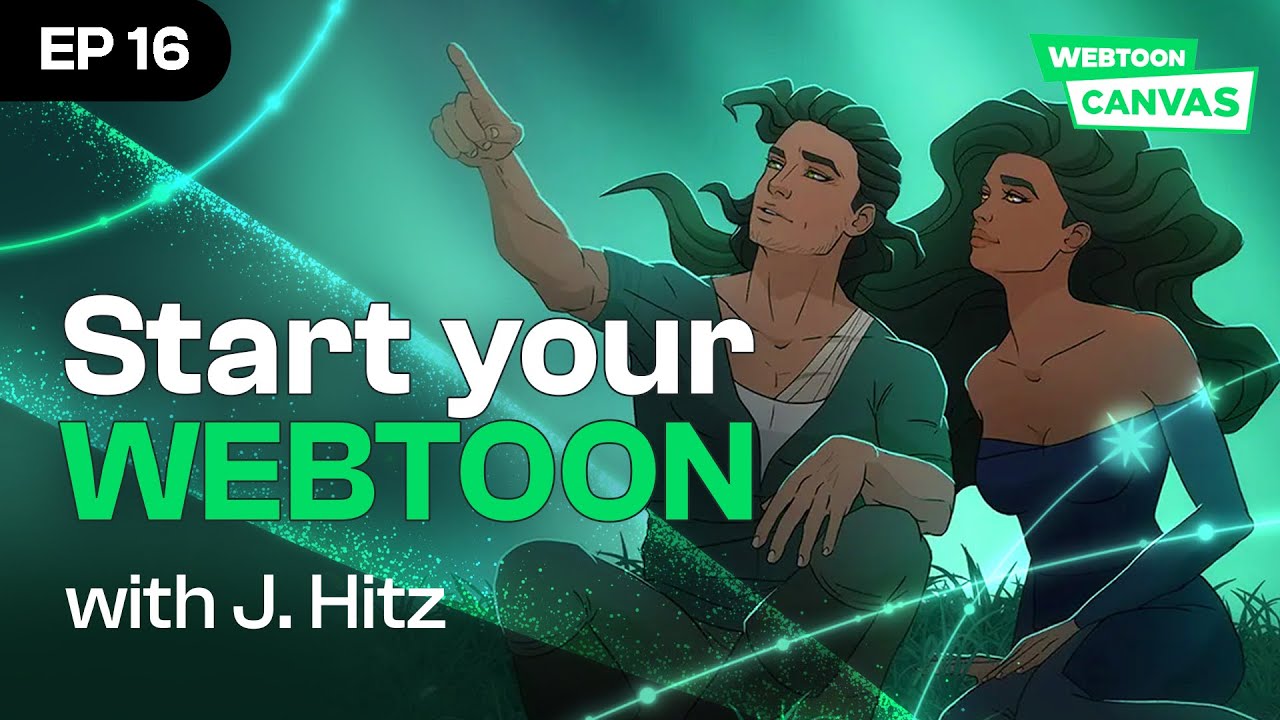
I recently sat down with The Webtoon Wave to discuss how aspiring webtoon creators can get started! We talk about storytelling, the art process, and more.
As a webcomic creator, it can be tough when what you’ve created isn’t resonating with people. You’ve poured your time, heart, and energy into crafting your story, only to feel disheartened by the lack of response. Maybe it’s been tough to find an audience, or maybe you have one, and it’s difficult to engage them. The truth is, you’re not alone—many creators wrestle with these feelings. When external acknowledgment overshadows your passion, it might be helpful to refocus, take a step back, and reconnect with your “why.”
Here are a few tips to help shift your perspective and rekindle finding joy in the process:
Reflect on Your Creative Journey Take time to think about your path as a webcomic creator. Keep these answers in a place you can revisit later. Ask yourself: • Why did you start making your webcomic? • What excites you about your story and characters? • What do you enjoy the most about working on your webcomic? • How far have you come since starting this project?
Visualize Your Story’s Long-Term Impact Imagine someone discovering your webcomic years from now and being moved by it. How would they describe the emotions they felt while reading? What would they love about your characters and world? This visualization can remind you that your work has the potential to resonate with people, even if engagement is slow right now.
Write a Love Letter to Your Story Take a moment to write down everything you love about your webcomic. Celebrate the unique world you’ve built, the characters you’ve brought to life, and the challenges you’ve overcome to tell your story. This can be a personal exercise or even something you share to express your dedication to your work.
Celebrate Small Milestones It’s easy to overlook small victories when you’re focused on big goals. Celebrate moments like: • Completing a challenging panel or episode. • Developing a deeper understanding of your characters and their motivations. • Improving your workflow or overcoming creative blocks. • Being brave enough to share your art and narrative with others.
Save the Positives and Revisit Them Later Whenever someone sends me a nice message, comment, piece of art, or effort towards what I’m making. I save it in my Notion to look at on a later day. Usually when I’m feeling low. It helps me reframe my state of mind.
Give Yourself Permission to Pause, Take a Break, or Rest It’s ok to take a step back or try something else if this experience doesn’t serve you. Be kind to yourself, you’re doing the best you can.
Every artist has moments of doubt, moments when the path forward unclear. I’ve had my share of those moments, and they’ve pushed me to pause and reflect. But this isn’t a blog post about feeling sorry for myself. It’s a story about perseverance and why I’m more excited than ever to pour my heart into my craft this year.
When I first started creating, I had dreams of connecting with people who would see the worlds I build and the stories I weaved. And while those connections have started to form, I’ve realized something important: creating is a journey (not a destination). Growth doesn’t happen overnight, and neither does building a community that truly resonates with your work.
Instead of dwelling on what hasn’t gone as planned, I’ve been asking myself questions: how can I do better? How can I create stories that aren’t just good, but unforgettable? How can I grow not just as an artist, but as someone who inspires and connects with others?
Here’s what I’ve learned so far:
Honesty and Vulnerability Matter When I share my process, struggles, or even the imperfections in my work, I notice something: people respond. We all crave authenticity, and there’s something deeply human about admitting, “I’m not perfect, but I’m trying.”
Setback and Disappointments are Learning Opportunities I used to see low engagement or quiet responses as failures. Now, I want to look at them as opportunities. If something doesn’t resonate, it’s not a dead end…it’s feedback and a chance to refine my craft. Growth is uncomfortable I get it, but it’s also exhilarating because every stumble brings me closer to the creator I want to become.
Creation is a Dialog Social media isn’t just a platform to share; it’s a space to listen. What excites you? What draws you into a story? I want to create art that feels like a dialogue, not a monologue. Together, maybe we can build something that feels meaningful.
Passion Is Seen and Felt When I’m excited about my work, I hope it shows. I want to lean into what lights me up…the characters I love, the narrative that keeps me awake at night! My hope is that by pouring passion into every part of The Barrier Scroll, I’ll create something that ignites a similar spark in you.
This journey is far from over, and any support means more than I can say, and it fuels my determination to keep growing (and creating!). With every new piece of art and every word I write, I’ll strive to give to the world something worth connecting with, and I’ll continue to work on getting better with my craft.
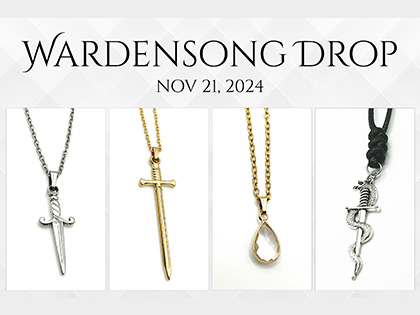
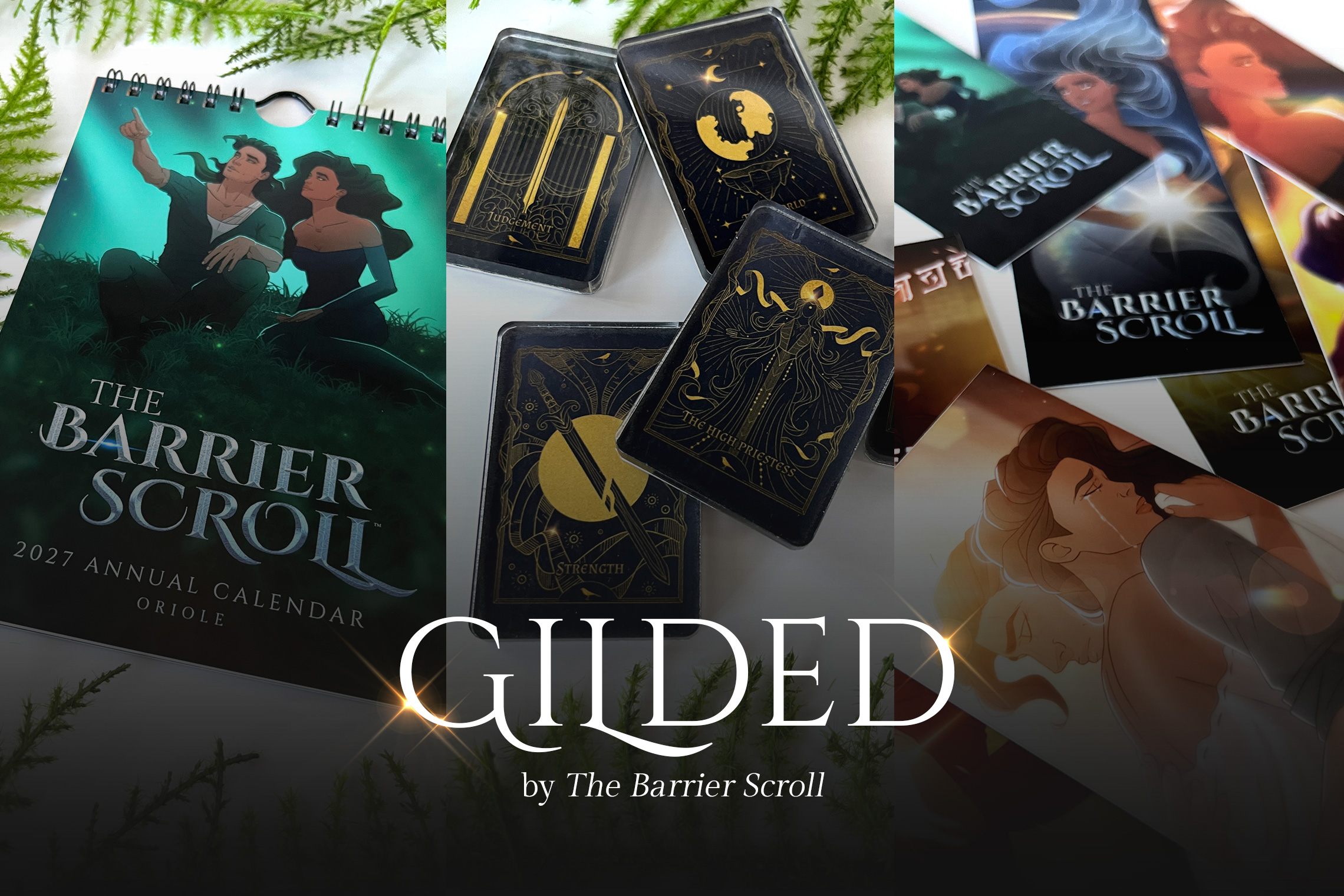
The Barrier Scroll Wardensong Drop is now available in the shop with exclusive new handmade products, like the Wandering Stone Necklace! Bring a touch of enchantment to your everyday style, or gift to a fellow fantasy lover who dreams of magic, adventure, and unexpected heroes. All products inspired by The Barrier Scroll narrative.
The Barrier Scroll Spellweaver Drop is now available in the shop with exclusive new handmade products and prints. Bring a touch of enchantment to your everyday style, or gift to a fellow fantasy lover who dreams of magic, adventure, and unexpected heroes.
Want to create a romance readers actually care about? Give them characters they want to root for. Your character’s lie/fatal flaw/misbelief/internal struggle, whatever you want to call it is what’s going to to propel your story forwards. Because look, a story–romance or not, is going to be boring if our characters are perfect. When we take a flawed character we relate to that because we can empathize with imperfect characters, making imperfect decisions, on an imperfect journey to find what they need, while going after what they want. It’s super quaint, I know, and I love it. So we take our flawed character, trying to find their place in the world, and we introduce them to another flawed character also trying to find their place in the world, and we thrust them together, push and pull, and eventually, and probably even reluctantly, they experience character growth and vulnerability, hopefully due in part by one another, and experience something on the tail end of that called, love. I’ve oversimplified yes, but that’s the gist of it. So how do we achieve this?
Create characters people are going to root for
The characters who are going to fall in love should have their own struggles, goals, wants, needs, misbeliefs to make them feel real. Give your character a flaw (that needs to be fixed), a want that is not only tangible but that your character is pursuing, and a need which is the thing (the life lesson) they’ll need to learn that will truly make them happy (because the want isn’t going to cut it). Your romance will revolve heavily around each individual character’s journey, struggle, and goal. Even without the aforementioned romance plot, you still have a story, which is key. Therefore the additional romance layer is going to make our character transformations even more worthwhile once they start to take shape.
Internal conflict that’s unique to each character
Conflict really does make the creative writing world go round, but if we’re not making our characters suffer what are we even doing this for? In all seriousness though, it’s true that the internal struggles/inner conflicts/misbeliefs will be the driving force for our characters and in turn create new conflict when it encounters romance with the other character. I know, that’s a lot, but it’s what’s going to make your relationship so much more worth it.
Outline a structure that incorporates the romance beats into your story
Set Up Act 1 Act 1 is all about the catalyst of what brings our two lovebirds together and their fighting, learning, and waning resistance to that attraction.
Push and Pull Act 2 Act 2 is the push and pull of this relationship, doubt, and eventually the rock bottom.
Accepting Love Act 3 Act 3 is our character transformations after hitting rock bottom and the eventual grand gesture that will allow our two lovebirds to be together/or not, that’s up to you!
If you know me, it’s no surprise I’m a big fan of the Save the Cat! Story Structure, so of course by association I’m also a big fan of Gwen Hayes’ book Romancing the Beat: Story Structure for Romance Novels. You do not need to understand Save the Cat! to incorporate the romance beats into your creative project but you should have a good handle on the 3 Act Story Structure. I highly recommend knowing the basics of the Save the Cat! structure (subdivides the beginning, middle, and end of a story into 15 “beats” or plot points) because it’s fantastic, easy to use, and I incorporate it into my own writing. To make it easier for you, I’ve shared the Romance Beat Sheet I used on my Patreon, you can view all 3 acts in great detail down to every beat.
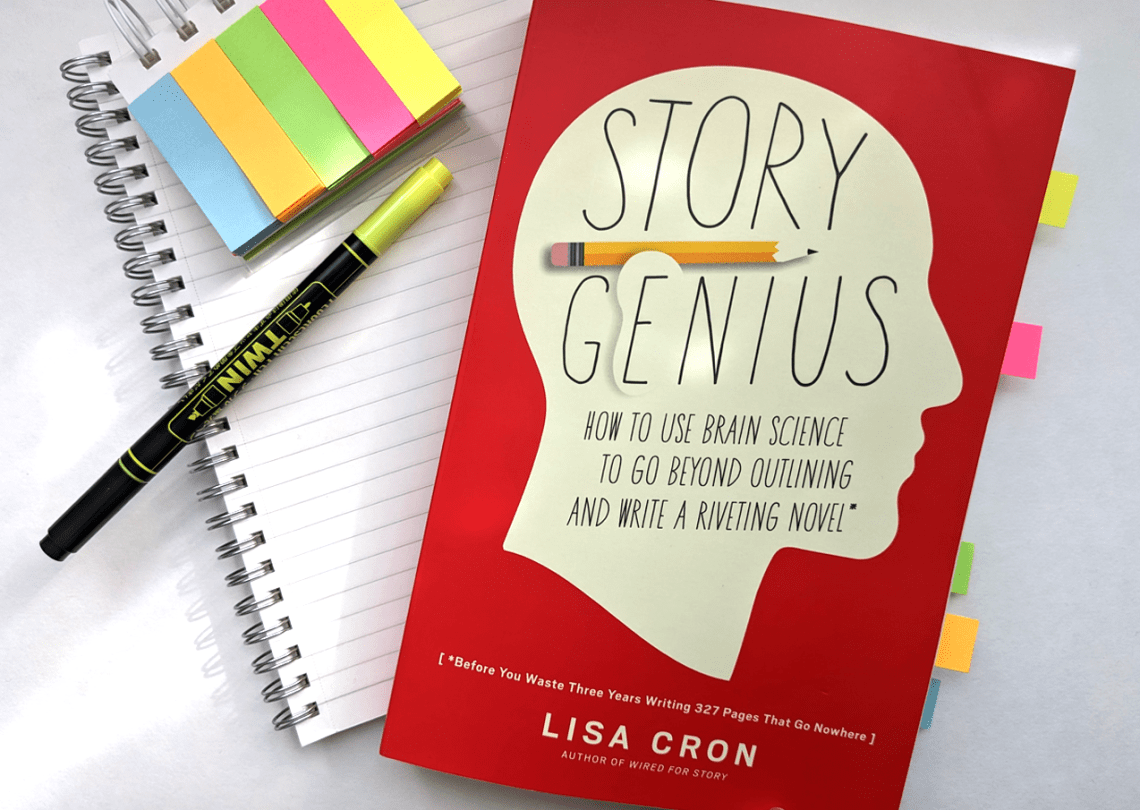
Even more love for Lisa Cron‘s book Story Genius: How to Use Brain Science to Go Beyond Outlining and Write a Riveting Novel, but today we’re going to be talking about scenes. How to make scenes matter and how to make them have meaning by being part of a cause-and-effect trajectory that will build your story. No more individual scenes that don’t help guide your protagonist to their end goal.
How do we do this? Scene cards. And they’re going to prompt you and remind you to answer important questions that link your plot to your story, every single time. I’ll post my own examples on my Patreon soon, but here’s a blueprint similar to the example Lisa provides in her book. I hope it’s helpful. —
Scene #1: Name of scene Alpha Point: The key role the scene will play in your webtoon/novel/project’s external cause-and-effect trajectory. It must answer: Why is this scene necessary? What’s its main job?
CAUSE
EFFECT
THE PLOT
What happens • What happens in the first half of the scene
The consequence • External consequence of what happens in the scene–the consequence of what happens in the scene itself—not the consequence it will have in the next scene.
THE THIRD RAIL
Why it matters to their misbelief • Why what’s happening matters to your protagonist, given their agenda
The realization • The internal change, the realization that the event triggers for the protagonist (or the scene’s POV character and also the protagonist when they find out later).
• Your protagonist’s worldview must change even a little bit in every scene.
And so? • The action that happens as a result of what occurred in the scene
Reminders: The plot is the sequence of events that helps you tell the story. The ‘third rail‘ is the terminology Lisa uses to describe the protagonist’s internal struggle. Isn’t it lovely how they’re always tied together here? Cause and effect, it’s flawless, and it’s been so helpful to me in polishing off my episodes. Let me know if you have any questions, good luck!
I am not being paid to promote this book, I genuinely believe in its ability to help you rethink your writing.
As I read (and re-read) through the outlines, scenes, and various narrative that I’d been working on, I started to see something I didn’t like. My protagonist was being dragged along by the plot–and I had been very cognizant of this I thought! My story needed to be character-driven, not plot driven, and try as I may I was not doing this successfully. I sat down, and after a bit of dread, apprehension, and uneasiness–I decided I needed to make my character’s want/need and misbelief a little more ironclad.
To the rescue comes Lisa Cron‘s book Story Genius: How to Use Brain Science to Go Beyond Outlining and Write a Riveting Novel. Let me tell you, I hated this book, and not because why you might think. This book was frustrating because it forced me to look at everything with a fine tooth comb, the what if, the who, the cause and effect, plot and even subplots. I thought I had done this already! All of this information can and will tie into your story’s electric third rail (which will supply your story with the electricity needed to propel it forward, like a train!), which is directly related to “how the protagonist is making sense of what’s happening, how she struggles with, evaluates, and weighs what matters most to her, and then makes hard decisions, moving the action forward.”
Lisa’s book asks tough but important questions, here’s a few that stuck with me:
Why does this story stick with me?
Why do I care about writing it?
What is the point of my story?
What do I want my readers to go away thinking about?
Who is your protagonist before the story even starts?
What does your protagonist want before the story even starts?
Can you envision the moment in your protagonist’s life when their misbelief took root?
The book is a goldmine for questions like these. I highly recommend following along with the book using the PDF resource: Story Genius Novel Writing Method Worksheet. Whether you’re stuck, just starting out, or want to make that narrative indestructible, consider using this book as a resource, I highly recommend it.
I decided to stop fuzzing around and finish my attempt at a “back of the book blurb”, not to be confused with a “synopsis”—which I am also still very much working on as well.
What is a Book Blurb? A book blurb (also called a “back-cover blurb” or a “book description”) is a short description of the book’s main character and conflict, usually between 100 and 200 words, that traditionally is included on the inside cover or on the back of a book.
I’m not writing a novel obviously, but the need for some sort of way to entice readers to care about my comic seemed necessary. And what better way than a short pithy paragraph or two that leaves the reader wanting more. I’m currently in the process of garnering feedback on how to make my blurb better on various sites, but I’ll post it here too, and if you’re up for it, I’d love yours as well. I’m at ~182 words.
I’ll post the resources below that I used to get to the point I’m at now. I hope they’re helpful to you as well. Any helpful resources get you to the blurb you love?
Here’s the formula I loosely followed: 1. Grab the readers’ attention 2. Introduce your protagonist 3. Introduce the basics of your conflict 4. The twist or the ‘not everything is as it seems’ moment 5. The ‘stakes’ of your story
The work-in-progress blurb is just below here:
Broken Swords Still Cut. Seven hundred years ago, Abjuration Barrier Magic ended the East Territories War. The realm is at risk again, only this time, there’s no Abjurer.
The child of a Federation Soldier and a Su’nethian Aristocrat, Oriole is an outsider from birth, hoping someday to find her parents. When her guardian’s life is threatened, Oriole unknowingly casts an ancient magic barrier for protection. Whisked away to the Ivory Ministry in Vaal to harness her abilities, Oriole finds fellowship with the renowned Onyx Guard, as well as an unlikely ally in the dejected soldier, Ryn Alrae.
Now that Oriole has glimpsed a world that perhaps accepts her after all, she is ready to fight to be a part of it. As Oriole’s powers grow, so does the desire by Emperor Su’neth to get his hands on the rare and ancient magic many thought vanished. As the threat of war looms between two nations, Oriole will discover things about herself that will change the course of the conflict, and what she believed, forever.
—
And that’s it! Here’s the Recommended Resources as promised:
Creating The Barrier Scroll comic is a huge undertaking for me, and something that I was, quite frankly, intimidated to commit my time to. I am by no means an ‘illustrator’ or a ‘writer’…but I want to be. So I try to take what time I have in each day, and dedicate it to something that gives me joy and passion. I’ve given passion projects and personal development a lot of thought and it really comes down to one thing: making time. This little cutlet of insight can be applicable to countless parts of our life. We as human beings can be extremely busy, overwhelmed even. However, it’s important to identify what really matters.
Stop with the glorification of ‘busy’. The fundamental core of being ‘too busy’ stems from the lack of priorities or the inability to prioritize. Directed at the wrong pursuits, it can pose as a limiting factor to our full creative potential. Half of all parents (47%) said they were ‘too busy’ to read a bedtime story to children. “Despite the fact that 97% agreed that reading before bedtime was beneficial to a child’s development, only a third of parents felt guilty that they didn’t spare the time.”
Carve out time in your daily routine. Block time for lunch. Cultivate regular time for physical activity in your day to service health benefits and thought clarity. Some studies suggest that physical activity can even help boost creativity. Consider opportunities for meditation, yoga, or any other moments for yourself to help improve mental health.Set aside manageable chunks of time to focus on the creative pursuits that are important to you. Tutorials, writing, painting, learning a new skill.
The only way to get good at something is to do it, a lot. The only way to do something a lot, is to make time for it. For example: 1 hour a day ~ 30 hours a month, 365 hours a year = 9+ full time working weeks of personal project time. That’s over 2 months of time you can use for personal projects with simply 1 hour a day, and many creatives say the weekends are when they dedicate the most time to passion projects and personal development.
When creativity strikes, listen. One skillset that I’ve learned to cultivate is writing down your ideas when you’re unable to execute on them. I’m currently knee deep in the episodic writing of Book 2 for The Barrier Scroll. I’m not convinced I would be this productive and excited about getting all my ideas down on paper if I hadn’t written a smattering of random creative lightning bolts down when creativity struck. Some people keep actual written journals (this is wonderful), I use the notes app on my phone–and translate them to an appropriately named file later in Google Docs. I jot down as much as I can to give me context for when next I peek at it. You do your future self a disservice when you write down notes that don’t make much sense later, so be concise as possible and add as much context as it takes for it to make sense to a stranger who has never seen that note before.
You’re not busy, you just suck at time management. Prioritize your passion projects and personal development, and every moment is an opportunity for creative inspiration. Now get out there and be productive and intentional with your time and creativity.
The story of The Barrier Scroll is something that has been with me for a long time, but I’ve never truly fleshed out the details. When you start to think about story structure and character motivations, it can be daunting, intimidating even to outline your narrative.
There are countless resources to plot your story but the one that resonated with me the most was a rendition of Blake Snyder‘s storytelling structure, Save the Cat!, called Save the Cat! Writes a Novel, by Jessica Brody. This story structure, used on countless popular movies and novels, outlines essential plot points, or beats. When you struggle with structure like I do, this is immensely helpful. To visualize this, here’s Savannah Gilbo’s graphic to get us oriented:
It can be helpful to think about a comic thematically.
I wont go in depth as to what exactly Save the Cat! story structure is, but I do want to stress the importance of structure overall. Structure helps you space out the major events of your story in a way that keeps your reader engaged, without overwhelming them. How do the character’s goals, motivations, and internal conflicts propel the story forward? And why should the audience care?
John Truby, screenwriter, director, and author of The Anatomy of Story says: “Without good structure a story will not work, no matter how good the writing.” I don’t recommend sitting down to write a story from beginning to end and expect it to all make sense when you come out the other end. For most people, to get the best result, you need to apply the craft of story telling and think about what you are doing before you dive in and start writing. Truby says, “Every hour you put into prep work on your story, you save ten when it comes to writing, and rewriting, it…writer’s block is almost always caused by not knowing where the story is going.”
Write down all your ideas, no matter what, and no matter where you are.
Stories, at their deepest level, explore the human spirit and communicate that truth. Find a structure that works for you, so that your narrative has meaning, and connects with readers.
I'm preparing the physical edition of The Barrier Scroll: Vol 1 and building the community needed to make a print run possible in 2027. Once this meter hits 100%, I can get the Kickstarter campaign ready. To help make this a reality, jumping on the newsletter is the best way to us get there!